Choosing between stamped concrete and pavers for your Denver patio is one of the most important decisions you will make during a landscaping project. Both materials can create stunning outdoor living spaces, but they differ significantly in cost, durability, maintenance requirements, and how well they handle Colorado's demanding climate. This comprehensive comparison guide will help you make the right choice for your property.
At Colorado Dreamscapes, we install both stamped concrete and paver patios throughout the Denver metro area. Having completed hundreds of projects with both materials, we have seen firsthand how each performs over time in our unique climate.
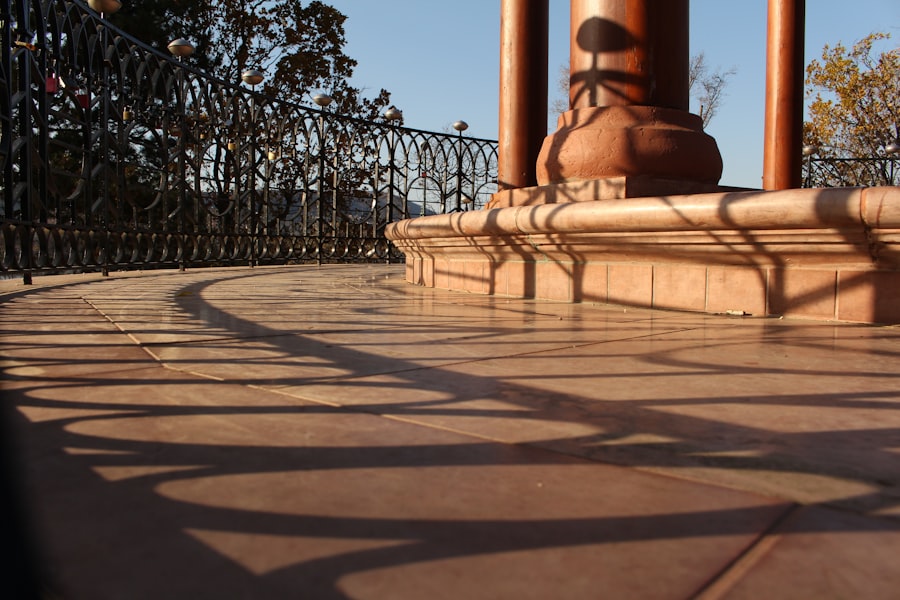
Quick Comparison: Stamped Concrete vs. Pavers in Denver
Before diving into the details, here is a side-by-side comparison of the key factors Denver homeowners should consider:
| Factor | Stamped Concrete | Pavers |
|---|---|---|
| Cost (installed) | $12 - $20 / sq ft | $18 - $30 / sq ft |
| Durability | 25-30 years with maintenance | 25-50+ years |
| Maintenance | Reseal every 2-3 years | Re-sand joints, occasional leveling |
| Aesthetics | Wide range of patterns and colors | Natural, authentic appearance |
| Freeze-Thaw Resistance | Moderate (can crack) | Excellent (flexes with movement) |
| Repair Ease | Difficult (patch often visible) | Easy (replace individual units) |
| Installation Time | 2-4 days typical | 3-7 days typical |
| Resale Value | Good | Excellent |
Cost Comparison: What You Will Actually Pay in Denver
For most Denver homeowners, cost is the first consideration. Stamped concrete is generally the more budget-friendly option, with installed prices ranging from $12 to $20 per square foot depending on the pattern complexity and color choices. A typical 400-square-foot patio in stamped concrete runs between $4,800 and $8,000.
Pavers command a premium, ranging from $18 to $30 per square foot installed. That same 400-square-foot patio would cost between $7,200 and $12,000. Natural stone pavers like flagstone or travertine sit at the higher end, while manufactured concrete pavers are more affordable.
Long-Term Cost Considerations
The upfront cost difference narrows when you factor in long-term expenses. Stamped concrete requires professional resealing every 2-3 years ($1.50-$2.50 per square foot) and may need crack repair over time. Pavers require less ongoing investment -- occasional polymeric sand replenishment and spot-leveling are typically the only maintenance costs. If a paver cracks or stains, you can replace just that one unit rather than patching a larger area.
Durability: How Each Handles Denver's Climate
Denver's climate is uniquely challenging for outdoor surfaces. The city sees over 150 freeze-thaw cycles per year, intense UV exposure at 5,280 feet, afternoon hailstorms, and dramatic temperature swings that can span 40 degrees in a single day.
Stamped Concrete in Denver's Climate
Stamped concrete is a monolithic slab, meaning it is one continuous piece. While this creates a seamless look, it also means the slab must absorb ground movement, thermal expansion, and frost heave as a single unit. Over time, this can lead to cracking -- particularly at control joints and along edges. Proper installation with adequate control joints, a well-compacted gravel base, and regular sealing mitigates these risks significantly, but some cracking is virtually inevitable over a 20-year lifespan in Denver.
Pavers in Denver's Climate
Pavers excel in freeze-thaw environments because they are individual units set on a compacted base with sand-filled joints. This segmented design allows the surface to flex and shift slightly with ground movement without cracking. If frost heave pushes a section up, the affected pavers can be lifted, the base re-leveled, and the pavers relaid -- good as new. This is a significant advantage for homeowners in Arvada, Castle Rock, and other Front Range communities where clay soil movement is a particular concern.
Maintenance Requirements
Maintaining Stamped Concrete
- Reseal with a high-quality acrylic sealer every 2-3 years
- Clean with a pressure washer annually (low pressure only)
- Address cracks promptly to prevent water infiltration
- Avoid using deicing salts, which accelerate surface deterioration
- Reapply color-release agent if fading occurs
Maintaining Pavers
- Replenish polymeric sand in joints every 3-5 years
- Sweep or blow debris regularly to prevent weed growth
- Re-level any shifted pavers as needed
- Seal optionally to enhance color (not structurally required)
- Replace individual damaged units as needed
Aesthetics and Design Flexibility
Both materials offer tremendous design versatility, but in different ways.
Stamped concrete can mimic virtually any material -- slate, flagstone, brick, cobblestone, wood planks, even tile. It can be colored in an almost unlimited range of hues using integral color, color hardener, or antiquing release agents. For homeowners who want a specific look on a tighter budget, stamped concrete delivers remarkable versatility. Our design team can help you select patterns and colors that complement your home's architecture.
Pavers offer a more authentic, textured appearance that many homeowners prefer. Natural stone pavers provide genuine material beauty that stamped concrete can approximate but never perfectly replicate. The joints between pavers add visual interest and a sense of craftsmanship. Pavers also come in a wide range of shapes, sizes, and laying patterns, from herringbone to basketweave to running bond.
Climate Suitability: The Denver Factor
For Denver-area homeowners, climate suitability may be the deciding factor. Here is how each material handles Colorado's specific challenges:
- Freeze-thaw cycles: Pavers have a clear advantage, flexing with ground movement rather than fighting it
- UV exposure: Both materials can fade; sealers protect both equally well
- Hail: Pavers are more resistant to hail impact damage than stamped concrete surfaces
- Snow removal: Both handle plowing and shoveling well; avoid metal-edged shovels on stamped concrete
- Drainage: Permeable paver systems allow water to drain through, reducing runoff -- a growing consideration with Denver's stormwater regulations
Which Should You Choose?
Choose Stamped Concrete If:
- Budget is your primary concern
- You want a seamless, continuous surface
- Your soil conditions are stable (sandy or well-drained)
- You are comfortable with periodic resealing maintenance
- You want to match a very specific pattern or color
Choose Pavers If:
- Long-term durability is your priority
- You have expansive clay soil (common in Lakewood, Aurora, and south Denver)
- You want easier, lower-cost repairs over time
- You prefer a natural, textured look
- You want a permeable option for stormwater management
- Maximum resale value is important to you
Many of our clients actually use both materials in a single project -- stamped concrete for large expanses like driveways and pool decks, and pavers for featured patio areas and walkways. This hybrid approach can balance budget with performance and aesthetics. See how these materials complement each other in our project portfolio.
For a broader look at patio and outdoor living options, browse our 12 best landscaping ideas for Denver homes.
Frequently Asked Questions
Is stamped concrete cheaper than pavers in Denver?
Yes, stamped concrete is generally 20-30% less expensive than pavers for initial installation in Denver. Stamped concrete typically costs $12-$20 per square foot installed, while pavers range from $18-$30 per square foot. However, long-term repair costs can narrow this gap, especially in areas with expansive clay soils.
Does stamped concrete crack in Denver winters?
Stamped concrete can develop cracks over time due to Denver's freeze-thaw cycles. Proper installation with control joints, adequate base preparation, and regular sealing every 2-3 years significantly reduces cracking risk. Minor hairline cracks are common and can be repaired, though patches may be visible.
How long do pavers last in Colorado's climate?
High-quality pavers can last 25-50+ years in Colorado's climate when properly installed with a well-compacted base. Pavers are particularly well-suited to our freeze-thaw cycles because individual units can flex and shift slightly without cracking. Natural stone pavers tend to outlast manufactured concrete pavers.
Can I install stamped concrete or pavers myself?
While DIY is possible for small paver projects, we strongly recommend professional installation for both materials. Colorado's freeze-thaw cycles demand proper base preparation, drainage, and expansion joints that require professional expertise. Improper installation leads to premature failure and costly repairs. Learn how to choose the right landscaper for your project.
Feeling Motivated? Get a Free Quote
Ready to install a beautiful patio that handles everything Denver's climate can throw at it? Get a free, no-obligation comparison quote for stamped concrete and pavers.
Request Your Free Consultation