A backyard water feature is one of the most transformative additions you can make to a Colorado landscape. The sound of flowing water masks neighborhood noise, creates a meditative atmosphere, and draws birds and beneficial wildlife to your garden. Despite Colorado's semi-arid climate, water features are not only possible here -- they are one of the most popular upgrades we install at Colorado Dreamscapes.
This complete guide covers every type of water feature suited to Colorado's climate, what each costs, how to maintain them through Denver's winters, and how to choose the right option for your property and lifestyle.
Types of Backyard Water Features for Colorado
Not all water features are created equal, and the best choice for your property depends on your space, budget, maintenance willingness, and aesthetic goals. Here are the main categories we install for Denver-area homeowners.
Pondless Waterfalls
Pondless waterfalls are the most popular water feature we install in Colorado, and for good reason. Water cascades over natural boulders and disappears into a hidden underground reservoir, where a pump recirculates it back to the top. There is no standing water, which means no safety concerns for families with young children, no mosquito breeding habitat, and minimal maintenance.
Pondless waterfalls work beautifully on sloped properties -- common throughout Castle Rock, Parker, and the Denver foothills. They can be as small as a 3-foot cascade or as dramatic as a 15-foot multi-tier waterfall integrated into a retaining wall system.
- Cost range: $5,000 - $15,000 installed
- Best for: Families, low-maintenance preference, sloped lots
- Maintenance level: Low
Ecosystem Ponds
A well-built ecosystem pond is a self-sustaining aquatic habitat that includes plants, fish, and beneficial bacteria working together to maintain water clarity naturally. Colorado is excellent pond territory -- our cool nights help maintain dissolved oxygen levels, and the strong sunshine supports vigorous aquatic plant growth.
Koi ponds are especially popular among Denver homeowners, though native fish species and simple goldfish ponds are equally rewarding. An ecosystem pond typically includes a biological waterfall filter, a skimmer for surface debris, aquatic plants in multiple zones, and a recirculating pump system. Our water features team designs ponds that look like natural Colorado mountain lakes.
- Cost range: $8,000 - $25,000+ installed
- Best for: Nature enthusiasts, fish keepers, large yards
- Maintenance level: Moderate
Bubbling Rock and Boulder Fountains
For homeowners who want the sound and beauty of water without significant space or budget requirements, bubbling rock features are an ideal solution. A drilled natural boulder sits atop a hidden basin, with water gurgling up through the center and cascading down the stone's surface. These features can be installed in a single day and fit into even the smallest Denver patios and courtyard gardens.
- Cost range: $2,500 - $5,000 installed
- Best for: Small spaces, courtyards, entry gardens
- Maintenance level: Very low
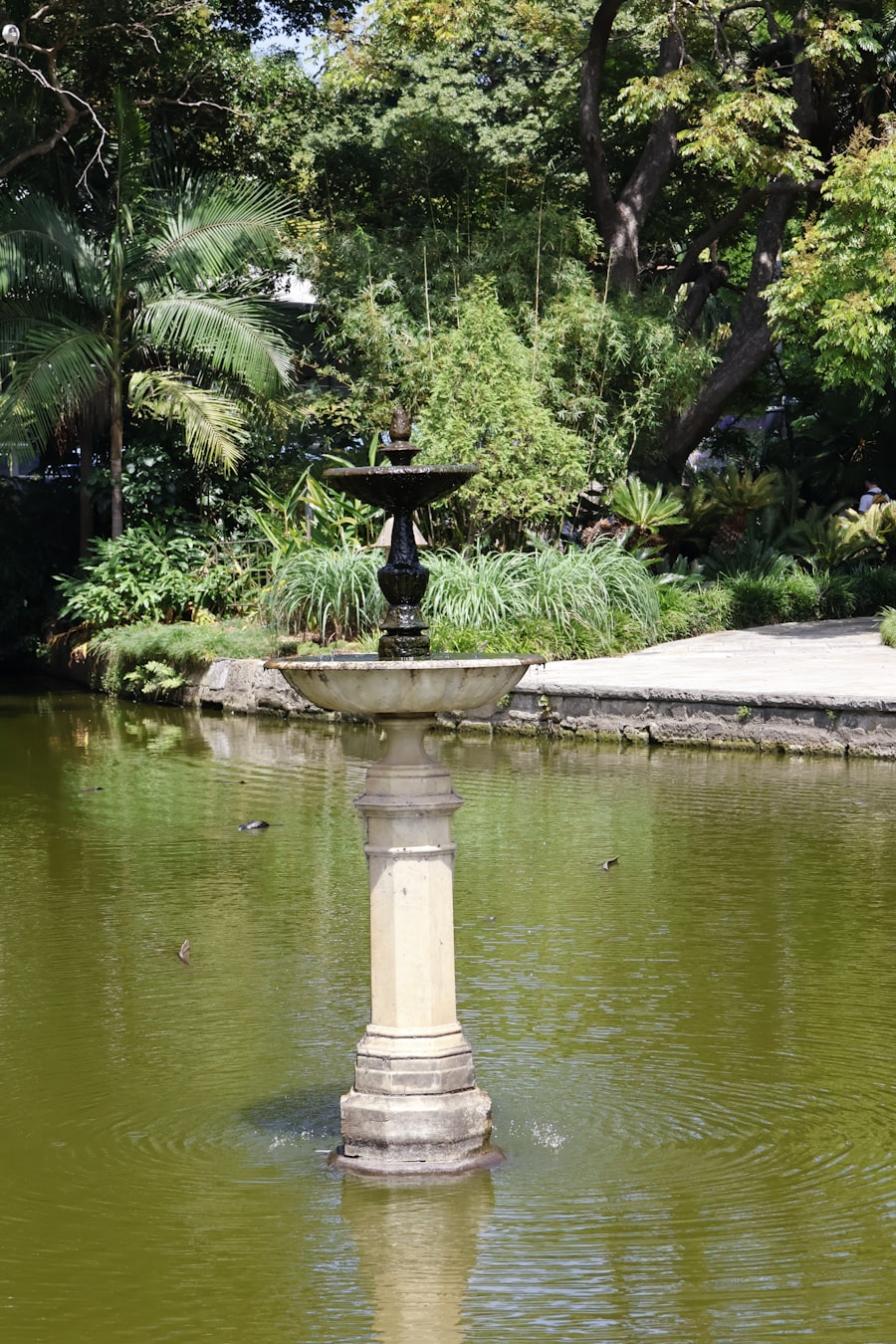
Formal Fountains
Cast stone, concrete, or metal fountains bring a more architectural element to your landscape. From classic tiered designs to sleek modern columns and spillway walls, formal fountains complement a range of architectural styles. They pair particularly well with hardscape patios and stamped concrete outdoor living areas.
- Cost range: $1,500 - $10,000+ installed
- Best for: Formal gardens, patio centerpieces, front yard accents
- Maintenance level: Low to moderate
Stream Beds and Dry Creeks
A recirculating stream can wind through your landscape, connecting other water features or standing alone as a linear water element. For properties where a recirculating stream is not practical, a dry creek bed built with natural river rock and boulders creates the visual suggestion of water, manages drainage, and adds texture to the landscape -- all without using a drop of water.
- Cost range: $3,000 - $12,000 for recirculating streams; $2,000 - $6,000 for dry creek beds
- Best for: Long, narrow spaces, drainage solutions, naturalistic landscapes
- Maintenance level: Low (recirculating) to none (dry creek)
Water Feature Comparison for Colorado
| Feature Type | Cost Range | Maintenance | Winter Care |
|---|---|---|---|
| Pondless Waterfall | $5K - $15K | Low | Drain pump; optional winter running |
| Ecosystem Pond | $8K - $25K+ | Moderate | De-icer for fish; reduce feeding |
| Bubbling Rock | $2.5K - $5K | Very Low | Drain pump and basin |
| Formal Fountain | $1.5K - $10K+ | Low-Moderate | Drain completely; cover or store |
| Recirculating Stream | $3K - $12K | Low | Drain pump; clean debris |
| Dry Creek Bed | $2K - $6K | None | No winterization needed |
How to Choose the Right Water Feature for Your Colorado Property
Selecting the ideal water feature requires considering several factors specific to your site and lifestyle:
- Available space: Measure the area you have in mind. Bubbling rocks need as little as a 3-foot-by-3-foot area, while ponds typically need at least 8 by 10 feet for a meaningful ecosystem.
- Sun exposure: Ponds with fish and plants benefit from 4-6 hours of direct sunlight. Fountains and waterfalls work in any light condition.
- Slope: A natural slope is a gift for waterfall features, reducing excavation costs. Flat sites work best for ponds and fountains.
- Children and pets: If small children use your yard, pondless features eliminate standing-water safety concerns. Many families transition to a pond as their children grow older.
- Maintenance commitment: Be honest about how much time you want to spend on upkeep. Pondless and bubbling rock features require the least attention.
- Budget: Start with a realistic budget and work with a designer to maximize impact within it. A well-designed $3,000 bubbling rock often creates more enjoyment than a poorly planned $15,000 pond.
Water Feature Installation Process
Understanding the installation process helps you plan your project timeline and know what to expect. Here is a typical installation sequence for a pondless waterfall, the most common feature we build:
- Design consultation: Our design team visits your property, discusses your vision, and creates a detailed plan with material selections and placement.
- Excavation: We dig the waterfall channel, boulder placement areas, and underground reservoir basin.
- Basin and liner installation: A heavy-duty EPDM liner and rigid reservoir basin are installed to contain and recirculate the water.
- Boulder and stone placement: Natural Colorado boulders and accent stones are positioned to create a natural-looking waterfall cascade. This is where artistry matters most.
- Plumbing and pump: A high-efficiency pump and plumbing are installed, connecting the basin to the waterfall head.
- Plantings and finishing: Native and adapted plants are installed around the feature, and final grading blends the feature into the surrounding landscape.
- Startup and client walkthrough: We fill the system, adjust flow rates, and walk you through operation and seasonal maintenance.
Most water features are installed in 2-5 days, depending on size and complexity. The best time to install in Denver is April through October, though planning and design can happen year-round.
Winterizing Your Water Feature in Colorado
Denver winters require proper water feature winterization to protect your investment. Here is what you need to know for each type:
- Pumps: Remove submersible pumps before the first hard freeze (typically late October) and store them in a bucket of water in your garage to keep seals from drying out.
- Plumbing: Drain all check valves and exposed plumbing to prevent freeze damage.
- Ponds with fish: Install a floating de-icer and an aerator to maintain a hole in the ice for gas exchange. Do not break ice, as the shock waves can harm fish.
- Formal fountains: Drain completely. Cover with a breathable fountain cover or move smaller fountains to a sheltered location.
- Pondless features: Some homeowners choose to run their pondless waterfall during mild winter spells -- the resulting ice formations can be strikingly beautiful.
Many of our clients throughout Lakewood, Aurora, and Boulder opt for our seasonal maintenance program, which includes professional winterization and spring startup.
Enhancing Your Water Feature
A water feature becomes even more impactful when paired with complementary landscape elements:
- Landscape lighting: Underwater and accent lighting transforms your water feature into a nighttime focal point. Submersible LED lights in waterfalls create a magical glow.
- Surrounding plantings: Moisture-loving plants like Japanese iris, astilbe, and native sedges soften the edges and create a naturalistic setting. Our tree installation team can add a canopy for dappled shade.
- Seating areas: Position a stone patio or natural boulder seating where you can sit and enjoy the sound and sight of flowing water.
- Pergola or shade structure: A custom pergola over an adjacent seating area creates a shaded retreat next to your water feature.
For more ideas on integrating water features into your overall landscape plan, explore our 12 best landscaping ideas for Denver homes and see how water elements fit into the bigger picture.
Frequently Asked Questions
Can you have a water feature in Colorado's dry climate?
Absolutely. Recirculating water features use the same water repeatedly, making them surprisingly water-efficient. A typical recirculating fountain or pondless waterfall loses only a small amount to evaporation -- often less water than a small section of irrigated lawn. Many Colorado homeowners are replacing turf areas with water features as a more water-conscious landscape choice.
Do water features freeze in Denver winters?
Yes, water features will freeze during Denver's coldest months. Most homeowners winterize their features by draining pumps and plumbing before the first hard freeze (typically late October). Some features, like pondless waterfalls, can be run during milder winter days for a stunning ice-and-water effect.
How much does a water feature cost to install in Denver?
Water feature costs in Denver range widely based on type and scale. Simple bubbling rock features start around $2,500-$5,000 installed. Pondless waterfalls typically range from $5,000-$15,000. Full ecosystem ponds with waterfalls run $8,000-$25,000+. Contact us for a personalized estimate.
Do water features attract mosquitoes?
Moving water does not attract mosquitoes -- only standing, stagnant water does. All professionally installed water features include pumps that keep water circulating, which prevents mosquito breeding. Fish ponds provide additional protection, as fish consume mosquito larvae. Colorado's dry climate also naturally reduces mosquito populations.
Feeling Motivated? Get a Free Quote
Ready to add the soothing sound of water to your Colorado landscape? Our water feature specialists will design the perfect feature for your property.
Request Your Free Consultation